
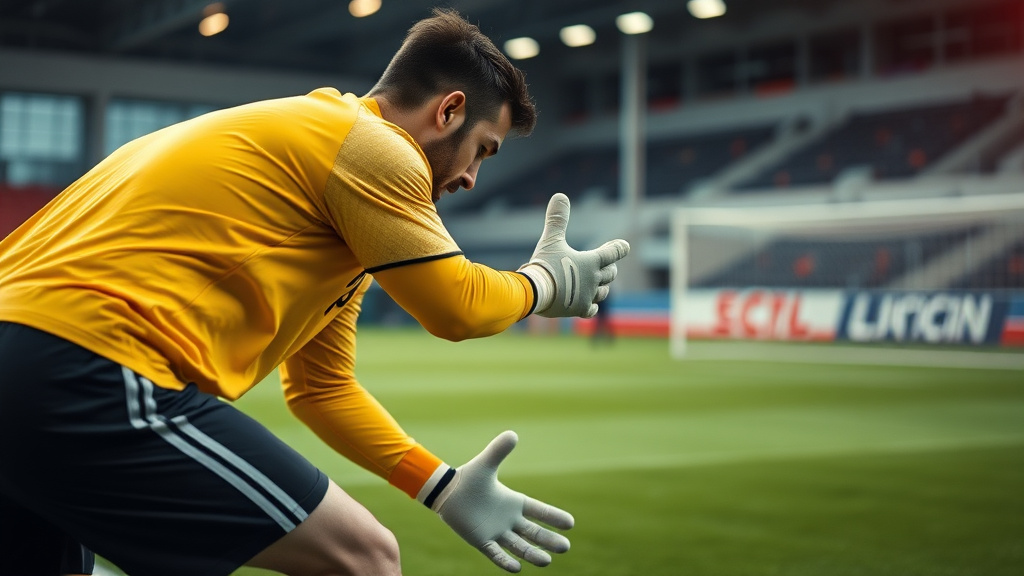
In the last few years, the development of goalkeeper training has dramatically reshaped defensive excellence across top-tier football competitions globally. Detailed biomechanical assessment, targeted agility exercises, and mental preparation have superseded conventional approaches, creating a emerging class of shot-stoppers with extraordinary reflexive abilities and tactical awareness. This article explores the cutting-edge training techniques reshaping goalkeeper play, looking at how top clubs utilize forward-thinking strategies to goalkeeper development and the measurable impact these methods have on overall team performance and defensive standards.
Modern Training Methods Enhance Goalkeeper Development
The incorporation of technology-driven methodologies has fundamentally reshaped goalkeeper preparation at the highest levels of top-level soccer. Video analysis systems, movement tracking systems, and real-time biometric monitoring now serve as the foundation of elite training programs. Coaches utilize advanced software to analyze opposing teams’ shot selection, anticipate ball trajectories, and refine tactical positioning. These advancements enable goalkeepers to train with unprecedented precision, targeting specific skill gaps while reinforcing technical strengths. The shift from generic drills to personalized, data-informed sessions has substantially increased technical development and competitive reliability across top professional competitions.
Psychological resilience training has become an equally critical component of modern goalkeeper development. Mental conditioning programs, stress inoculation techniques, and confidence-building protocols now are prioritized equally alongside physical preparation. Contemporary coaching staff understand that elite goalkeeping demands outstanding psychological awareness and composure under extreme pressure. Specialized sports psychologists work alongside technical coaches to develop mental frameworks allowing goalkeepers to preserve high-level performance during crucial matches. This integrated method combines biomechanical optimization with psychological fortitude, producing goalkeepers capable of delivering consistent excellence and raising defensive levels throughout professional football.
Modern Technology Integration in Goalkeeper Training
Modern goalkeeper training has been transformed by cutting-edge technological systems that offer unprecedented insights into performance data. Video analysis platforms, movement capture technology, and continuous biometric data allow coaches to identify micro-movements and reaction sequences with high precision. These systems let goalkeepers to analyze their positioning, distribution, and decision-making one frame at a time, speeding up the learning curve in a major way. Immersive reality training now recreate competitive match conditions, conditioning keepers both mentally and physically for varied attacking approaches they’ll experience during competitive fixtures.
The merger of AI and machine learning has further elevated goalkeeper training to greater heights. Advanced algorithms assess opponent shot patterns, allowing goalkeepers foresee ball paths and positional demands ahead of shots. Sensor technology monitors fatigue levels, load distribution, and injury risk indicators, enabling personalized recovery protocols. These data-informed strategies have transformed conventional coaching into measurable development pathways. Clubs investing in such technological infrastructure demonstrate notable gains in save rates, distribution precision, and squad defensive strength across their roster.
Psychological Conditioning and Mental Resilience Frameworks
Modern goalkeeper training extends far beyond physical preparation, covering comprehensive psychological conditioning programs that develop mental resilience. Elite clubs now employ sports psychologists who dedicate themselves to goalkeepers, developing personalized strategies to address pressure, anxiety, and performance expectations. These programs integrate visualization techniques, mindfulness training, and cognitive behavioral approaches that allow goalkeepers to stay concentrated during high-stakes matches. By confronting the psychological demands of the position, clubs have significantly reduced error rates and enhanced reliability among their shot-stoppers, acknowledging that mental strength strongly connects to on-field performance and career longevity.
Resilience training has become integral to goalkeeper progression, preparing athletes for unavoidable errors and setbacks inherent to the position. Dedicated training systems teach goalkeepers to recover quickly from goals allowed, preserve self-belief despite errors, and adapt strategically to changing match circumstances. Sports psychologists employ situation-based exercises where goalkeepers practice mentally difficult scenarios, developing emotional regulation and decision-making capabilities under stress. This mental preparation transforms how goalkeepers process failure, converting negative experiences into learning opportunities rather than self-doubt triggers. The result is a generation of psychologically stronger, increasingly flexible goalkeepers able to maintaining performance at the elite competitive tiers.
Leadership and communication development programs have transformed goalkeeper roles within defensive structures. Contemporary coaching highlights how goalkeepers organize defensive lines, communicate tactical adjustments, and offer mental support to teammates. These programs enhance emotional intelligence, dispute management, and team cohesion understanding, establishing goalkeepers as leadership figures rather than lone operators. By cultivating these psychological and interpersonal skills alongside technical abilities, professional clubs have elevated goalkeeper impact on total team success, creating more cohesive defensive units that respond effectively to match situations.
